**Exploring Abandoned Places in the DACH Region with a Rich Urdu Community**
Category : | Sub Category : Posted on 2024-10-05 22:25:23
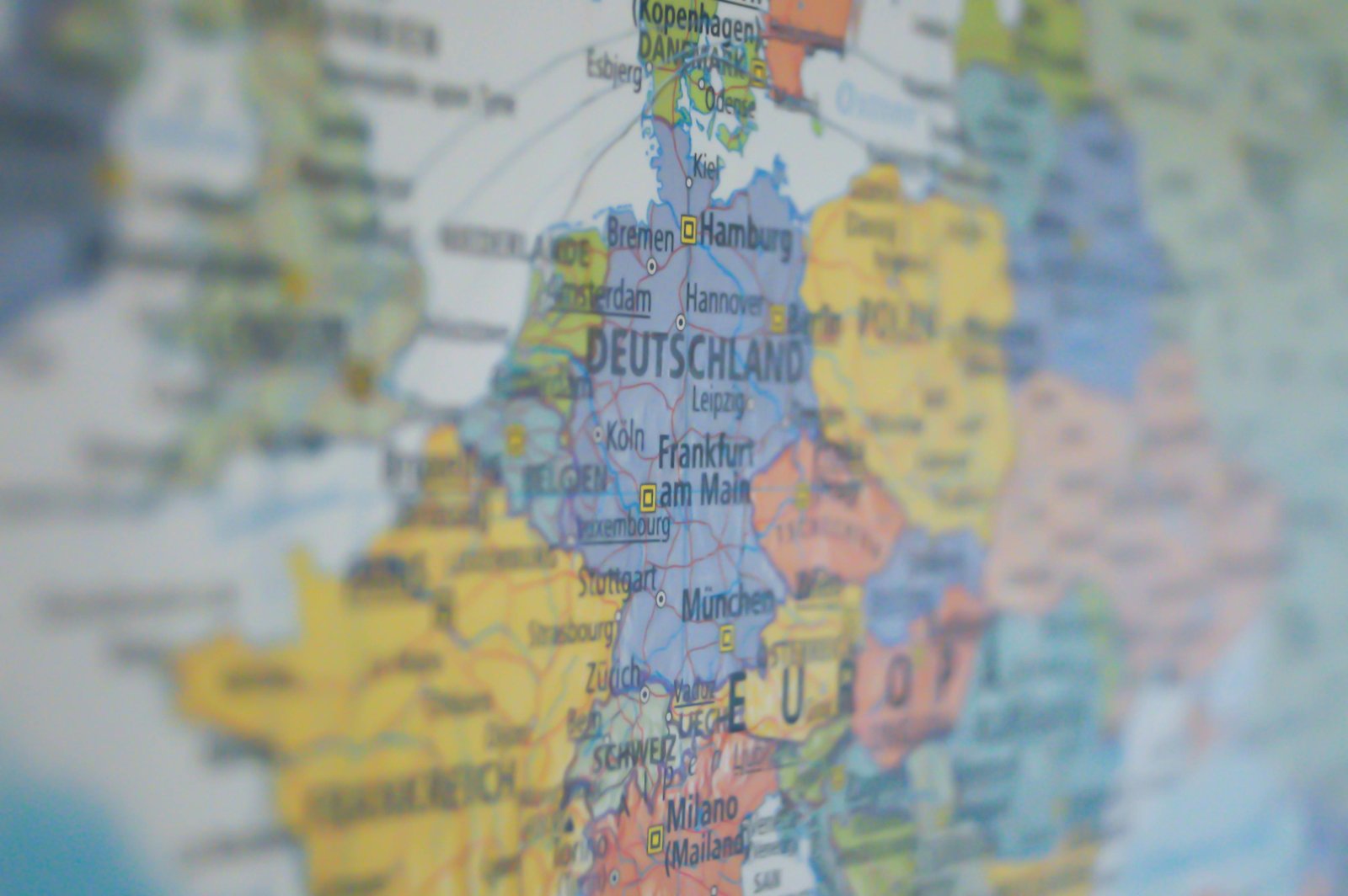
The DACH region, consisting of Germany (D), Austria (A), and Switzerland (CH), is renowned for its picturesque landscapes, historical landmarks, and vibrant communities. However, amidst the bustling cities and stunning scenery, there are also abandoned places that bear witness to a bygone era. One fascinating aspect of the DACH region is the presence of a vibrant Urdu-speaking community. Urdu, a language with deep cultural and historical roots, is spoken by a significant number of immigrants and their descendants in this region. These communities have a unique perspective on the abandoned places scattered throughout the DACH region, often intertwining their own stories and experiences with the history of these forgotten locations. Exploring abandoned places in the DACH region can be a thrilling and sometimes eerie experience. From forgotten castles perched on remote hillsides to derelict factories that once buzzed with industry, each abandoned site has its own tale to tell. One such place is the Beelitz-Heilstätten in Germany, a former sanatorium turned military hospital that now stands abandoned, its grand halls and eerie corridors a stark reminder of its storied past. The Urdu community in the DACH region may view such places through a personal lens, reflecting on their own connections to healthcare, war, or migration. In Austria, the abandoned Semmering Railway showcases stunning architecture set against a backdrop of lush greenery. This engineering marvel, now in disrepair, offers a glimpse into a time when trains connected remote communities and facilitated trade and travel. Switzerland's abandoned places, such as the Salina Vevey salt mines, present a unique blend of natural beauty and industrial history. The Urdu community in the region may find parallels between the salt mines' role in sustenance and their own cultural practices and traditions. As the Urdu community in the DACH region shares stories, memories, and perspectives on these abandoned places, they contribute to the rich tapestry of voices that shape the region's cultural heritage. By exploring these forgotten sites, they not only uncover hidden gems but also engage in a dialogue that bridges the past with the present. In conclusion, the intersection of abandoned places, the Urdu community, and the DACH region creates a dynamic tapestry of history, culture, and perspective. By delving into these forgotten sites, we can unearth untold stories, preserve collective memories, and celebrate the diverse voices that make the DACH region truly unique.
Leave a Comment:
SEARCH
Recent News
- Zurich, Switzerland is a city known for its stunning landscapes, charming streets, and vibrant culture. One of the many delights of visiting Zurich is the opportunity to explore its unique shopping scene. For those looking to add a touch of luxury and warmth to their wardrobe, Zurich is the perfect place to discover exquisite wool stoles.
- Winter in Zurich, Switzerland is a magical time of year when snow-capped mountains, charming Christmas markets, and cozy cafes create a picturesque scene straight out of a fairytale. As the temperatures drop and the city prepares for the festive season, one essential accessory that both locals and visitors alike reach for to stay warm and stylish is a winter stole.
- Zurich, Switzerland: A Haven for Wildlife Conservation
- Zurich, Switzerland, and Vancouver, Canada, are two bustling cities known for their thriving startup scenes. In this blog post, we will take a closer look at some of the top startups making waves in each city.
- Zurich, Switzerland and Vancouver, Canada: A Comparison of Import and Export Opportunities
- Zurich, Switzerland and Vancouver, Canada are two vibrant cities with distinct characteristics that make them stand out in their respective regions. While Zurich is known for its financial prowess and high quality of life, Vancouver is a bustling hub of business and innovation on the west coast of Canada. Let's take a closer look at how these two cities compare in terms of their business environments.
- Zurich, Switzerland and Vancouver, Canada are both vibrant cities known for their strong economies and diverse job markets. In this article, we explore some of the best companies to work for in these two cities, highlighting their unique offerings and what makes them stand out in their respective industries.
- Located in the heart of Switzerland, Zurich is known for its stunning natural beauty, bustling city life, and thriving business environment. The city attracts businesses from all over the world, thanks to its robust infrastructure, highly skilled workforce, and favorable economic policies. For UK businesses looking to expand or set up operations in Zurich, there are a number of government business support programs available to help navigate the process.
READ MORE
3 months ago Category :

Zurich, Switzerland is a city known for its stunning landscapes, charming streets, and vibrant culture. One of the many delights of visiting Zurich is the opportunity to explore its unique shopping scene. For those looking to add a touch of luxury and warmth to their wardrobe, Zurich is the perfect place to discover exquisite wool stoles.
Read More →3 months ago Category :

Winter in Zurich, Switzerland is a magical time of year when snow-capped mountains, charming Christmas markets, and cozy cafes create a picturesque scene straight out of a fairytale. As the temperatures drop and the city prepares for the festive season, one essential accessory that both locals and visitors alike reach for to stay warm and stylish is a winter stole.
Read More →3 months ago Category :

Zurich, Switzerland: A Haven for Wildlife Conservation
Read More →3 months ago Category :
