Exploring the Intersection of Abandoned Places, Politics, and the DACH Region Countries
Category : | Sub Category : Posted on 2024-10-05 22:25:23
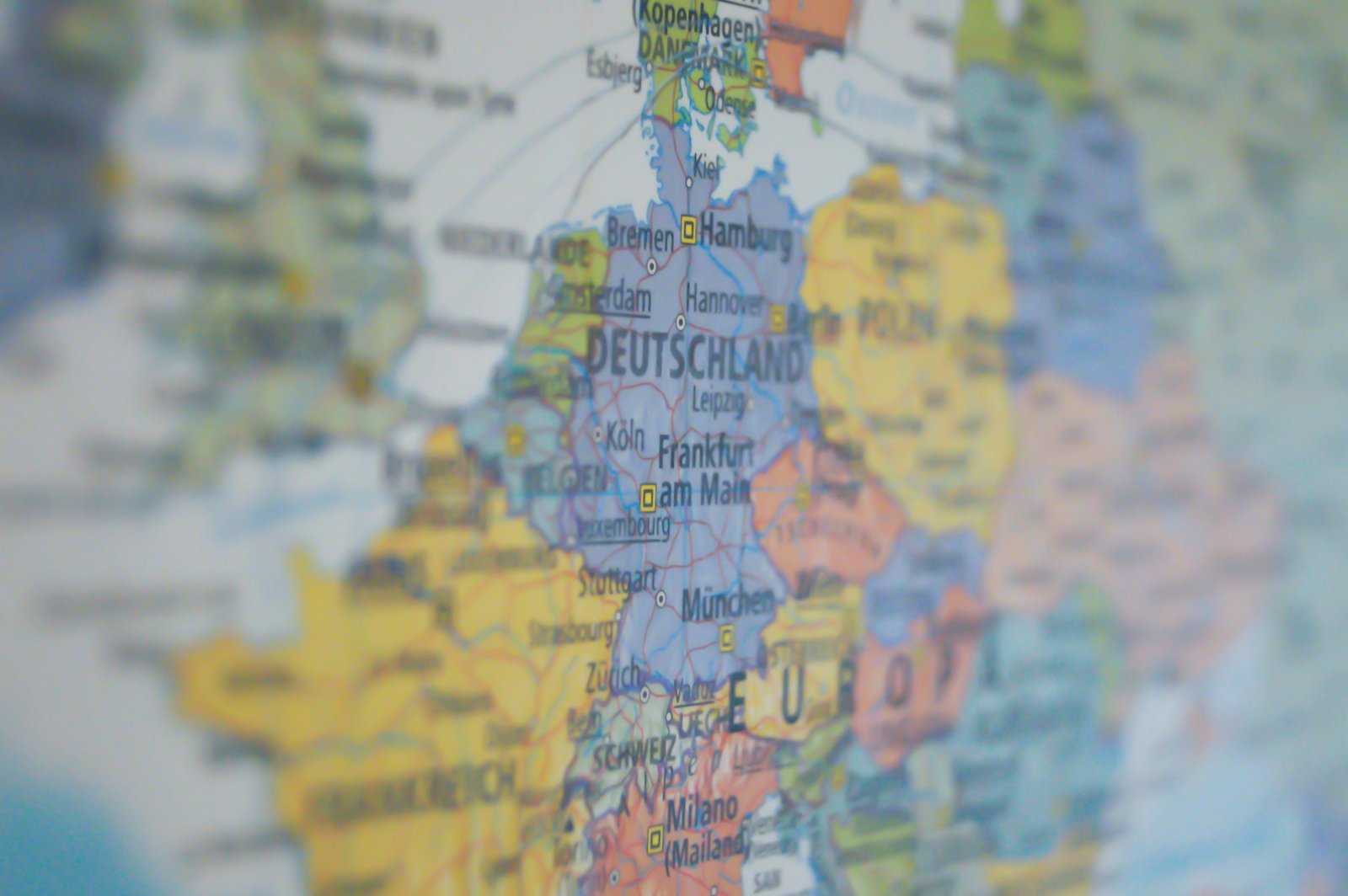
Abandoned places have a mysterious allure that sparks curiosity and intrigue in many people. These sites, once bustling with life, are now eerily silent, serving as a reminder of the passage of time and the impermanence of human endeavors. In the context of the DACH region countries – Germany, Austria, and Switzerland – abandoned places play an intriguing role that intersects with politics, history, and culture. One of the most famous abandoned places in the DACH region is the Beelitz-Heilstätten in Germany. This former sanatorium has a rich history that dates back to the late 19th century when it was built to treat tuberculosis patients. During the World Wars, it was repurposed as a military hospital, treating wounded soldiers from both sides of the conflict. Today, Beelitz-Heilstätten stands as a hauntingly beautiful reminder of the region's tumultuous past. The political implications of abandoned places in the DACH region are significant. These sites often serve as physical manifestations of historical events, reminding citizens of past injustices or highlighting failures in urban planning and governance. The preservation or repurposing of these spaces can spark debates on heritage conservation, urban development, and economic revitalization. In Austria, the Semmering Railway stands as a UNESCO World Heritage Site that showcases the engineering prowess of the 19th century. However, sections of the railway have fallen into disrepair, raising questions about the government's commitment to preserving its cultural heritage. The intersection of politics and abandoned places in Austria is evident in the ongoing discussions about the future of the Semmering Railway and its potential for tourism and economic growth. Switzerland, with its stunning natural landscapes and well-preserved historic sites, also has its share of abandoned places that reflect the country's complex history. The Gletschergarten in Lucerne, for example, is an abandoned rock glacier that serves as a geological marvel and a testament to the earth's ever-changing landscape. The preservation of such sites requires careful planning and political will to ensure that they are safeguarded for future generations. In conclusion, the intersection of abandoned places, politics, and the DACH region countries offers a fascinating lens through which to explore history, culture, and governance. These sites serve as tangible links to the past, prompting us to reflect on our shared heritage and the responsibilities we have towards preserving it for the future. By recognizing the importance of abandoned places and their political implications, we can better appreciate the richness and complexity of our collective history. Check the link: https://www.topico.net Want to know more? Don't forget to read: https://www.enemigo.org
Leave a Comment:
SEARCH
Recent News
- Zurich, Switzerland is a city known for its stunning landscapes, charming streets, and vibrant culture. One of the many delights of visiting Zurich is the opportunity to explore its unique shopping scene. For those looking to add a touch of luxury and warmth to their wardrobe, Zurich is the perfect place to discover exquisite wool stoles.
- Winter in Zurich, Switzerland is a magical time of year when snow-capped mountains, charming Christmas markets, and cozy cafes create a picturesque scene straight out of a fairytale. As the temperatures drop and the city prepares for the festive season, one essential accessory that both locals and visitors alike reach for to stay warm and stylish is a winter stole.
- Zurich, Switzerland: A Haven for Wildlife Conservation
- Zurich, Switzerland, and Vancouver, Canada, are two bustling cities known for their thriving startup scenes. In this blog post, we will take a closer look at some of the top startups making waves in each city.
- Zurich, Switzerland and Vancouver, Canada: A Comparison of Import and Export Opportunities
- Zurich, Switzerland and Vancouver, Canada are two vibrant cities with distinct characteristics that make them stand out in their respective regions. While Zurich is known for its financial prowess and high quality of life, Vancouver is a bustling hub of business and innovation on the west coast of Canada. Let's take a closer look at how these two cities compare in terms of their business environments.
- Zurich, Switzerland and Vancouver, Canada are both vibrant cities known for their strong economies and diverse job markets. In this article, we explore some of the best companies to work for in these two cities, highlighting their unique offerings and what makes them stand out in their respective industries.
- Located in the heart of Switzerland, Zurich is known for its stunning natural beauty, bustling city life, and thriving business environment. The city attracts businesses from all over the world, thanks to its robust infrastructure, highly skilled workforce, and favorable economic policies. For UK businesses looking to expand or set up operations in Zurich, there are a number of government business support programs available to help navigate the process.
READ MORE
3 months ago Category :

Zurich, Switzerland is a city known for its stunning landscapes, charming streets, and vibrant culture. One of the many delights of visiting Zurich is the opportunity to explore its unique shopping scene. For those looking to add a touch of luxury and warmth to their wardrobe, Zurich is the perfect place to discover exquisite wool stoles.
Read More →3 months ago Category :

Winter in Zurich, Switzerland is a magical time of year when snow-capped mountains, charming Christmas markets, and cozy cafes create a picturesque scene straight out of a fairytale. As the temperatures drop and the city prepares for the festive season, one essential accessory that both locals and visitors alike reach for to stay warm and stylish is a winter stole.
Read More →3 months ago Category :

Zurich, Switzerland: A Haven for Wildlife Conservation
Read More →3 months ago Category :
